Ever After: Crafting Timeless Visual Narratives
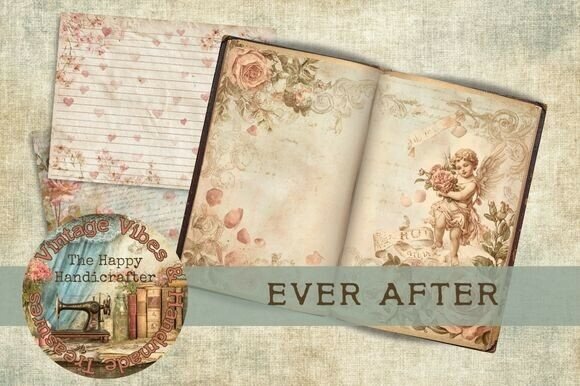
Imagine discovering a box of love letters in a sun-dappled attic—each page whispering stories of faded roses and timeworn parchment. This is the evocative power of Ever After Romantic Journal Papers, a design asset that transcends mere decoration to become a foundational tool for visual storytelling. In an era where authenticity and emotional resonance are paramount in graphic design, this collection offers a bridge between vintage charm and contemporary creative projects.
The Design Philosophy: Balancing Aesthetics and Function
At its core, Ever After is a study in intentional restraint. The papers feature a sophisticated balance of ornate elements—like gentle script and pressed petal textures—and generous open space. This is a critical consideration for any designer evaluating creative assets. The built-in negative space prevents visual clutter, ensuring that when you add your own typography, photography, or branding elements, the composition remains clean and readable. This thoughtful approach to visual hierarchy allows the background to enhance, not overwhelm, your primary message.
Practical Applications in Modern Design Workflows
The versatility of this collection makes it a valuable addition to a designer's toolkit. Its vintage-inspired aesthetic can be strategically applied across multiple mediums to evoke specific emotions and strengthen brand identity.
- Branding & Logo Design: Use textured papers as backgrounds for mood boards or to present a brand story that values heritage, craftsmanship, or romance. A logo set against a subtly aged parchment immediately communicates timelessness.
- Marketing & Social Media: Create cohesive Instagram stories, Pinterest pins, or Facebook ads for boutiques, florists, or lifestyle brands. The papers serve as perfect social media graphics backdrops for quotes, announcements, or product features, driving higher engagement through nostalgic appeal.
- Editorial & Packaging Design: For editorial layouts in lookbooks or magazines, these papers add tactile depth. In packaging design, they can inspire wrapping paper patterns or box liners for artisanal goods, directly influencing the unboxing experience and perceived value.
- Digital Products & Presentations: Elevate a standard PDF guide, workbook, or client presentation by using themed pages. This demonstrates attention to detail and enhances the user experience (UX), making content feel more curated and premium.
Integrating Textures with Typographic Systems
A key challenge in using decorative papers is maintaining readability. Ever After's design mitigates this by using faded, low-contrast textures. When pairing typography, select fonts with strong x-heights and clear letterforms. A clean serif or a refined sans-serif can create a beautiful contrast against the ornate background, establishing a clear visual hierarchy. Always test your type over the pattern at various scales to ensure legibility, especially for body copy.
Evaluating Creative Assets for Professional Use
When selecting any design resource, consider its compatibility with your existing design workflow. High-quality assets like these should be:
- Scalable and Versatile: Look for files that work in both print (print design) and digital contexts without losing quality.
- Thematically Consistent: A cohesive collection, as with Ever After, allows for creating unified suites of materials, from a website hero image to a business card.
- Emotionally Aligned: The asset's mood must match the brand's voice. This collection is ideal for narratives of softness, memory, and intimate connection.
In the landscape of design trends, there is a growing appreciation for textures that tell a story. Choosing resources like Ever After Romantic Journal Papers is not merely about aesthetic preference; it's a strategic decision to imbue your work with depth, emotion, and a distinct point of view. By thoughtfully integrating such elements, designers can craft visual communications that are not only beautiful but deeply resonant, ensuring the final product connects with its audience on a human level.